Loading...
Lutheran
Official WebsiteLutheran
Founded 1517
Chicago, IL
9,715 churches
Lutheranism was born from Martin Luther's protest against Roman Catholic practices in 1517, emphasizing justification by grace through faith alone. Lutherans uphold the authority of Scripture and the historic Lutheran confessions (Augsburg Confession, Luther's Catechisms). The tradition spans from the more progressive ELCA to the confessionally conservative Lutheran Church–Missouri Synod.
Doctrine
What We Believe
Salvation
Justification by grace through faith alone (sola gratia, sola fide); God's gift, not human merit
Scripture
Scripture alone (sola scriptura) is the norm for doctrine
Baptism
Infant baptism; a means of grace that confers salvation
Communion
Real presence — Christ is truly present in, with, and under the bread and wine
Worship Style
Liturgical; follows historic liturgy with hymns; varies from formal to contemporary
Church Government
Varies; episcopal or synodal structures depending on denomination
Women in Leadership
ELCA ordains women; LCMS reserves ordination for men
LGBTQ+ Stance
Varies; ELCA affirming, LCMS holds traditional view
Geography
Where to Find Lutheran
Iowa684
Illinois683
California628
Minnesota588
Pennsylvania551
Wisconsin530
Ohio522
Michigan493
9,715 Lutheran churches
Browse the full directory
Directory
Featured Lutheran Churches
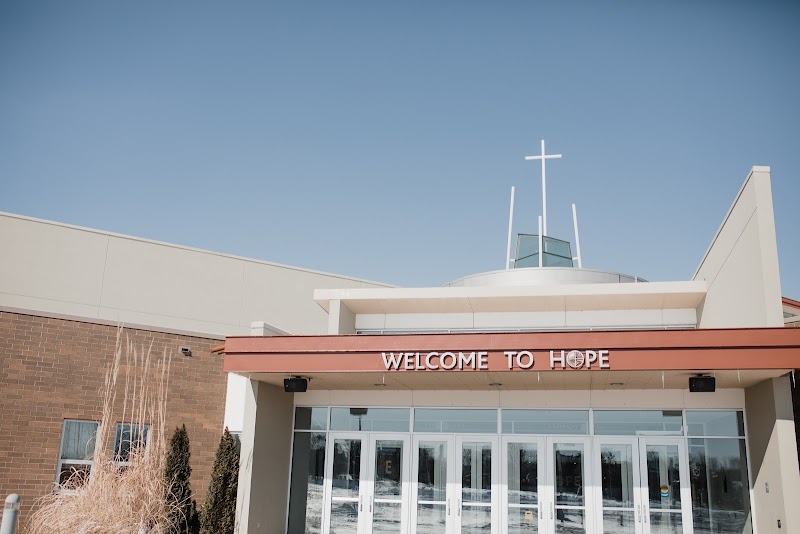
4.8(748)
Lutheran Church of Hope
925 Jordan Creek Pkwy, West Des Moines, IA 50266
+1 515-222-1520
Thursday: Open 24 hours
wdm.lutheranchurchofhope.org
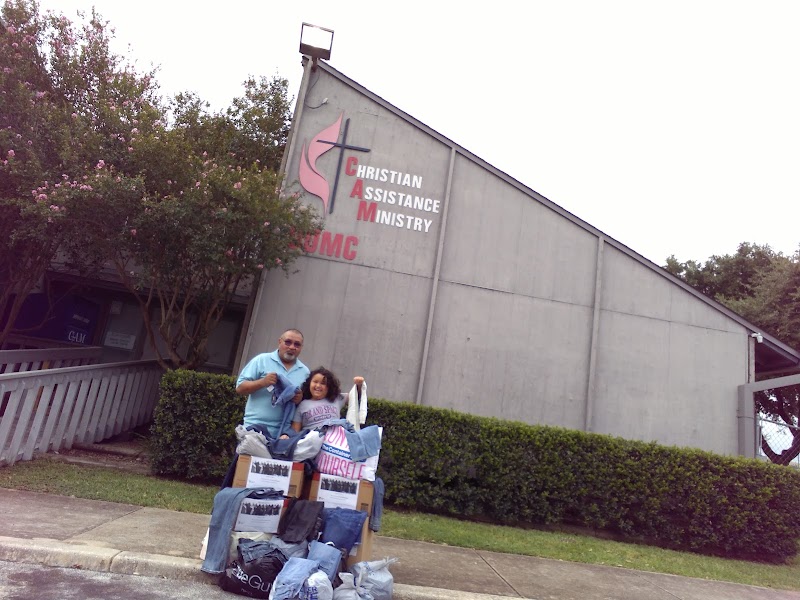
4.5(573)
Christian Assistance Ministry
Christian Assistance Ministry (CAM) is dedicated to serving the working poor in San Antonio through various support programs, including food and clothing assistance. They encourage community involvement by hosting drives and donations to meet the needs of the vulnerable populations they serve.
110 McCullough Ave, San Antonio, TX 78215
+1 210-223-4099
Thursday: 9:30AM-3PM
christianassistanceministry.org
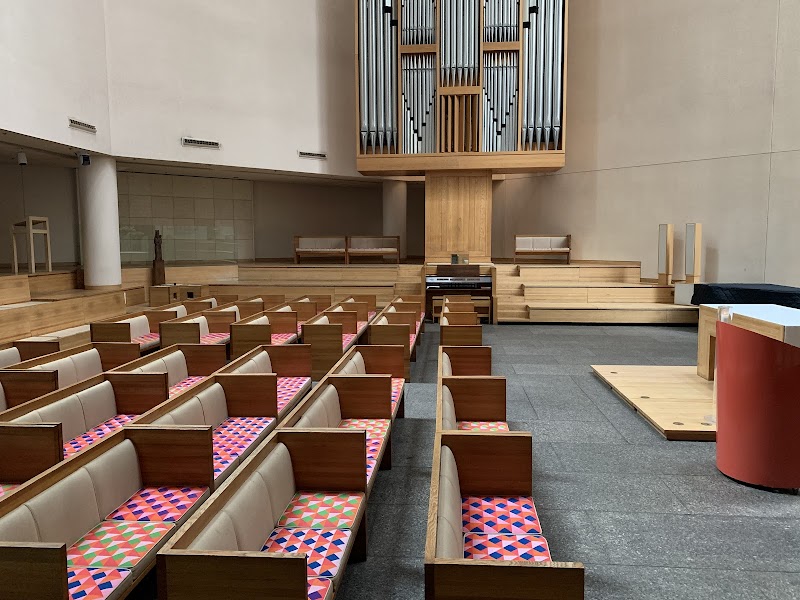
4.6(310)
Saint Peter's Church
Bold, angular venue for worship & art exhibitions hosts jazz vespers, concerts & other performances.
619 Lexington Ave, New York, NY 10022
+1 212-935-2200
Thursday: 8AM-5PM
saintpeters.org

4.7(182)
King of Kings Church
King of Kings Church believes lives are transformed through connection to Jesus and is passionate about walking alongside families in faith and life.
11615 I St, Omaha, NE 68137
+1 402-333-6464
Thursday: 6:30AM-9PM
kingofkings.org
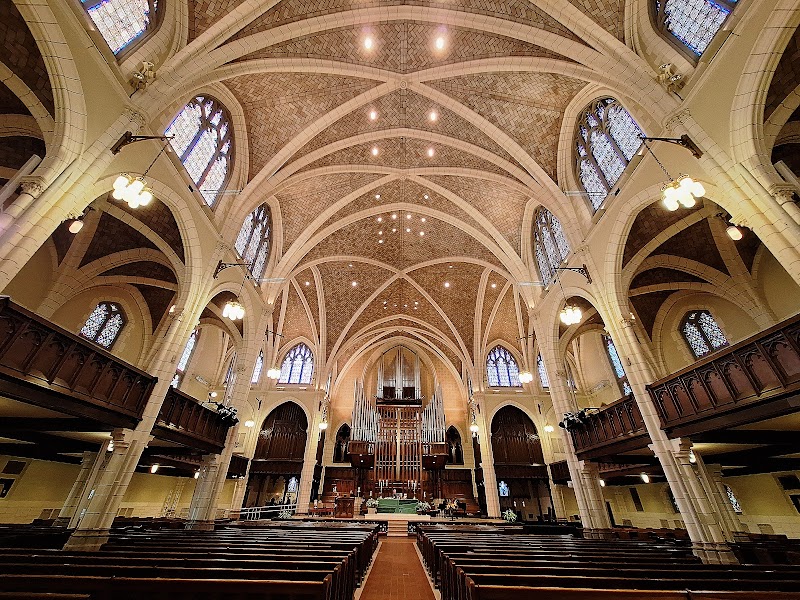
4.7(152)
Central Lutheran Church (ELCA)
Central Lutheran Church (ELCA) is a downtown Minneapolis congregation with an inclusive mission captured by their motto 'You are welcome. No exceptions.' They emphasize authentic community engagement, music, and ministry to those experiencing homelessness and economic hardship.
333 S 12th St, Minneapolis, MN 55404
+1 612-870-4416
Sun: 8:30 AM & 10:30 AM, Monday 11:00 AM
centralmpls.org

Frequently Asked Questions
Lutherans follow the teachings of Martin Luther, emphasizing salvation by grace alone through faith alone, as revealed in Scripture alone. Core beliefs include the real presence of Christ in communion, the importance of the sacraments (baptism and the Lord's Supper), and justification by faith.
While Lutherans share some liturgical traditions with Catholics, key differences include rejecting papal authority, teaching salvation by faith alone (not faith plus works), allowing clergy to marry, and recognizing two sacraments (baptism and communion) rather than seven.
Lutheran services are often liturgical, following a structured order of worship that includes hymns, Scripture readings, a sermon, and the Lord's Supper. Many Lutheran churches use a hymnal and follow the church calendar. Services typically last about one hour.
Use PewSearch to search for Lutheran churches by your location. You can filter by denomination to find ELCA, LCMS, WELS, or other Lutheran bodies near you, complete with service times, directions, and contact information.
Expect a reverent service with a blend of hymns, readings, and a sermon. Many Lutheran churches provide a bulletin or worship guide. The congregation stands and sits at various points. Communion practices vary — some are open to all baptized Christians, others are more restricted.
Yes. Lutherans baptize infants, believing that baptism is a means of grace through which God creates faith. Luther taught that baptism is not merely a human act but God's work, making it appropriate for people of all ages including infants.
Governance varies by Lutheran body. The ELCA uses a structure of synods led by bishops, while the LCMS is more congregational with district presidents. Local congregations typically have a church council and call their own pastors, though the process differs by denomination.
For Church Leaders
Are you a Lutheran church leader?
Claim your church page for a premium listing with editable content, staff & events, and more.
Claim Your Church